
 Английский
 中文简体
中文简体 Русский
 Español
 Português
 Türkçe
 العربية
 Deutsch
 Polski
 Italiano
 Français
 한국어
한국어 ไทย
ไทย Tiếng Việt
 日本語
日本語
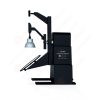

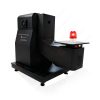
















Изгибающий аппарат
Руководство пользователя
Применимый LISUN модели: LS-B53
1. Базовое понимание оборудования
1.1 Область применения оборудования
This device is designed for specialized testing of the mechanical properties of non-metallic cable conduits.
Он в основном используется в лабораториях по контролю качества электроприборов, отделах контроля качества производителей кабелей и труб, сторонних испытательных организациях, а также для проверки импортной и экспортной продукции.
1.2 Применимые стандарты
In strict accordance with GB/T 20041.22-2009″Conduit Systems for Cable Management—Part 22: Special Requirements for Flexible Conduit Systems,” specifically in accordance with Clause 10.4 and Figure 101 (IEC 61386-22:2021, Clause 10.4, Figure 101), and have been tested accordingly.
1.3 Загрузка электронных документов
Ссылки для скачивания электронного руководства пользователя, сертификата калибровки, гарантийного талона и других документов были отправлены нам по электронной почте во время отгрузки. Пожалуйста, скачайте их как можно скорее. Если вы не получили письмо, свяжитесь с нами, чтобы запросить ссылки для скачивания еще раз.
2. Меры предосторожности при использовании
2.1 Требования к безопасности рабочей среды
No corrosive gases or dust particles; place the device on a level, stable workbench with at least 30 cm of clearance on all sides, and keep it away from sources of vibration.
2.2 Правила техники безопасности при выполнении производственных процедур
Во время тестирования не следует засовывать руки или другие части тела в зону тестирования, чтобы предотвратить травмы от сдавливания.
Test specimens must be securely clamped to prevent them from falling out or ejecting during loading, which could pose a safety hazard.
3. Введение в настройку тестирования
3.1 Стандартная диаграмма
См. рисунок 3-1 (взят из стандарта IEC).
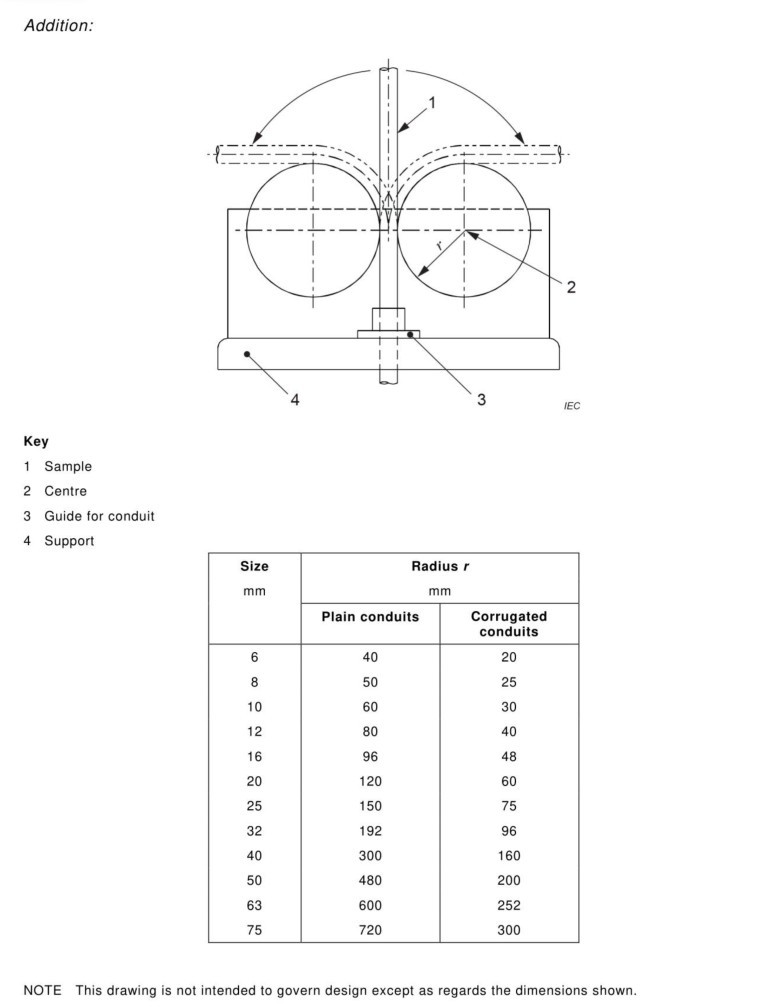
Рисунок 3-1
3.2 фотографии продукта
См. Рисунок 3-2.
| Номер регистрации | Внимание |
| ① | Tube Guides, Customizable to Suit Your Needs |
| ② | Bend radius: can be customized as needed |
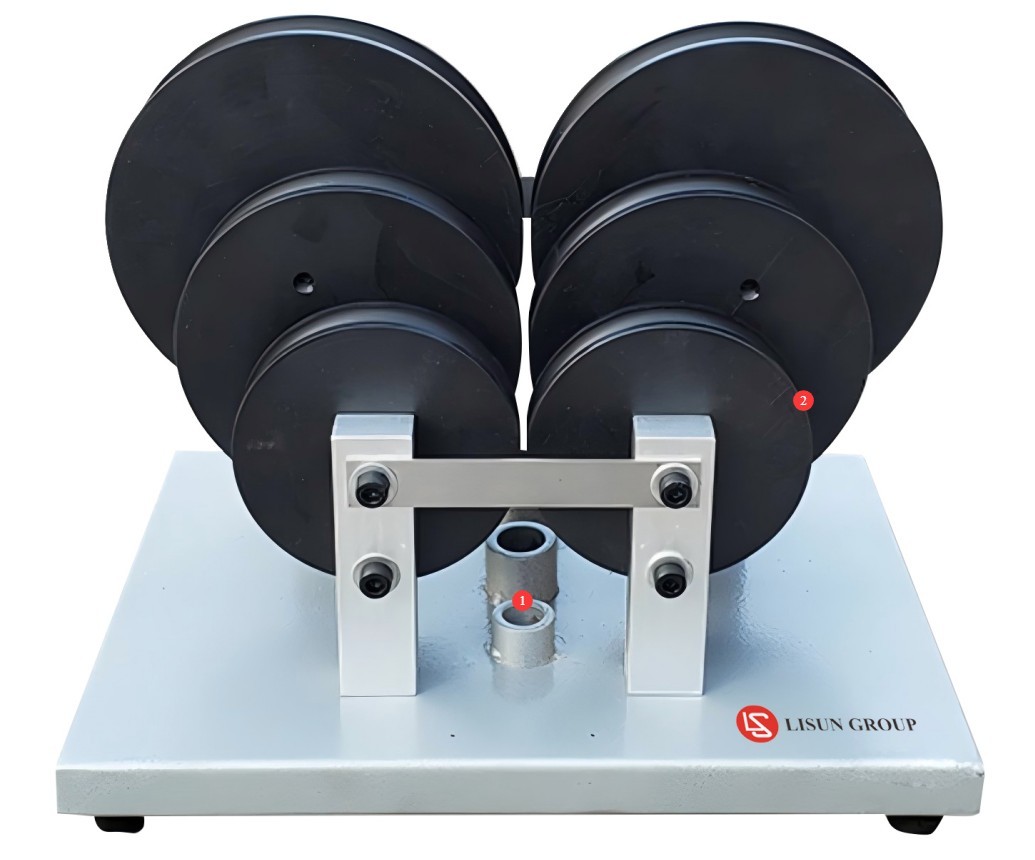
Рисунок 3-2
4. Испытание на изгиб катетера
4.1 Предварительная обработка образцов
The test shall be conducted on six specimens of the tubing. The length of each specimen shall be at least: a) for straight tubing, 30 times the nominal outside diameter; b) for corrugated tubing, 12 times the nominal outside diameter.
Three test specimens shall be tested at ambient temperature; the remaining three shall be tested at the minimum temperatures for transport, use, and installation specified in the table below (with a tolerance of ±2 °C).
| Catheter Classification | Transport, installation, and operating temperatures must not be lower than (unit: °C) |
| 1 | +5 |
| 2 | -5 |
| 3 | -15 |
| 4 | -25 |
| 5 | -45 |
4.2 Выполнение теста
For tests conducted at ambient temperature, the specimen shall be clamped vertically in the bending test apparatus. Slowly bend the specimen to the left by hand to (90±5)°, then return it to the vertical position; next, bend the specimen to the right to (90±5)°, then return it to the vertical position. Repeat this procedure three times, but do not return the specimen to the vertical position after the third repetition. The specimen shall be held in the bent position for 5 min; then, the bent specimen shall be positioned for testing as follows: the straight portion shall form an angle of (45±5)° with the vertical, with one end of the specimen facing upward and the other facing downward.
For tests conducted at the minimum temperature specified for transportation, use, and installation, the test specimen shall be clamped in the flexural testing apparatus and preconditioned for 2 hours prior to testing in an environment at the minimum temperature specified above, with a temperature deviation of ±2 °C.
4.3 Оценка результатов испытаний
After testing, the specimen shall not exhibit any cracks visible to the naked eye or with corrected vision without additional magnification, and it shall allow the appropriate gauge shown in Figure 4-1 (taken from the IEC standard) to pass through the tube under its own weight and without any initial velocity.
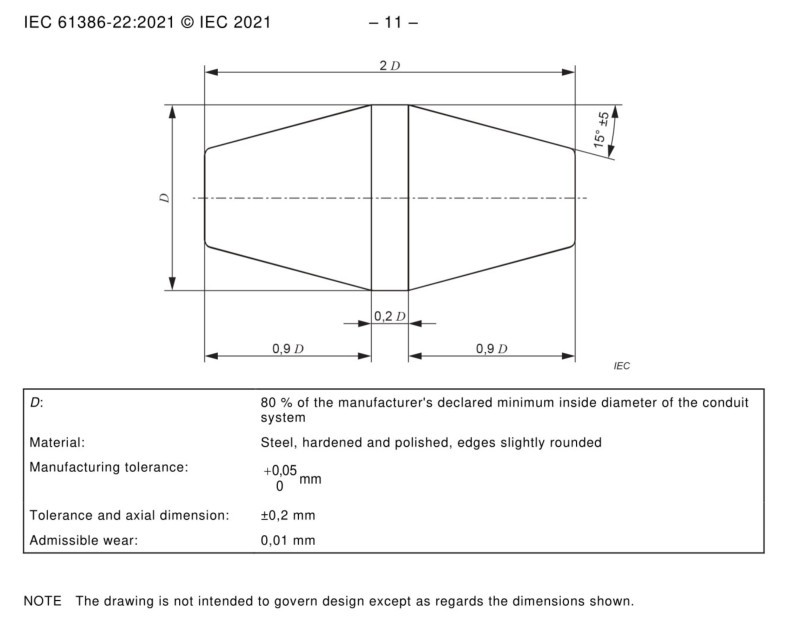
Рисунок 4-1
5. Процедуры после испытаний
5.1 Сброс настроек устройства
Outside of testing hours, do not install test specimens on the testing equipment to avoid applying force when testing is not in progress.
5.2 Подготовка проб
Разделите образцы, прошедшие и не прошедшие тест, четко их обозначьте и избегайте их смешивания.
5.3 Уборка и наведение порядка на испытательном полигоне
Wipe dust and debris from the surface of the device with a lint-free, soft cloth. Do not rinse the equipment directly with water.
Разложите инструменты на верстаке, аккуратно расставьте их и уберите весь мусор, оставшийся после эксперимента.
6. Плановое техническое обслуживание и уход
6.1 Регулярное обслуживание
Apply rust-preventive oil to the test equipment every three months to prevent rust.
6.2 Долгосрочное хранение и обслуживание
After routine maintenance is complete, cover the entire machine with a dust cover and store it in a dry, well-ventilated warehouse.
6.3 Требования к интервалу калибровки
Для обеспечения точности и надежности устройства рекомендуется периодически отправлять его на калибровку в квалифицированную независимую метрологическую лабораторию. Рекомендуемый интервал калибровки составляет 12 месяцев. Пользователи могут определить конкретный интервал калибровки в зависимости от частоты использования, условий окружающей среды и требований системы качества.