
 Английский
 中文简体
中文简体 Русский
 Español
 Português
 Türkçe
 العربية
 Deutsch
 Polski
 Italiano
 Français
 한국어
한국어 ไทย
ไทย Tiếng Việt
 日本語
日本語
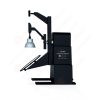
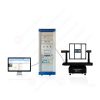
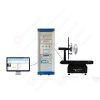

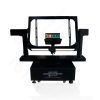
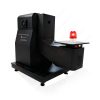
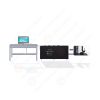
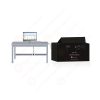


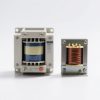








Регулируемый эталонный балласт
Руководство пользователя
Применимый LISUN модели: DYJ-50 Гц、DYJ-60 Гц
1. Введение
DYJ Adjustable Reference Ballast is suitable for all power-frequency fluorescent lamps currently in use worldwide. When conducting photometric and electrical parameter tests on lamps, it is essential to ensure that the lamps operate under standard conditions to guarantee the accuracy of the data. Under these circumstances, the use of a reference ballast is absolutely necessary; otherwise, different ballasts will yield different test results.
Adjustable reference ballasts can provide different output specifications depending on the type of fluorescent lamp. Equipping each lamp with a separate reference ballast would be extremely costly and would make usage and management inconvenient. Furthermore, this approach would not facilitate the testing of optical and electrical parameters. To address these issues, Lisun Группа разработала DYJ-50 Гц/DYJ-60HZ adjustable reference ballasts to meet customers’ diverse needs.
DYJ Регулируемый эталонный балласт строго соответствует следующим соответствующим стандартам для люминесцентных ламп, работающих на частоте 50 Гц/60 Гц: IEC 60081 (GB/T 10682), IEC 60901 (GB/T 17262), ANSI C78.81 и ANSI C82.3.
With the advancement of LED technology, DYJ can also be used to test LED lamps that replace traditional fluorescent lamps.
2. Основные принципы и ключевые технические характеристики
Технические характеристики на DYJ К многоцелевым эталонным балластам относятся следующие:
Индуктивность L: 0–1240 Ом
Погрешность линейности импеданса (в диапазоне от 100 Ом до 1240 Ом) +1%
Сопротивление R: 0–111 Ом
Operating Current Range 0.12 A to 0.67 A
Power Range of the Test Object 4–85 W
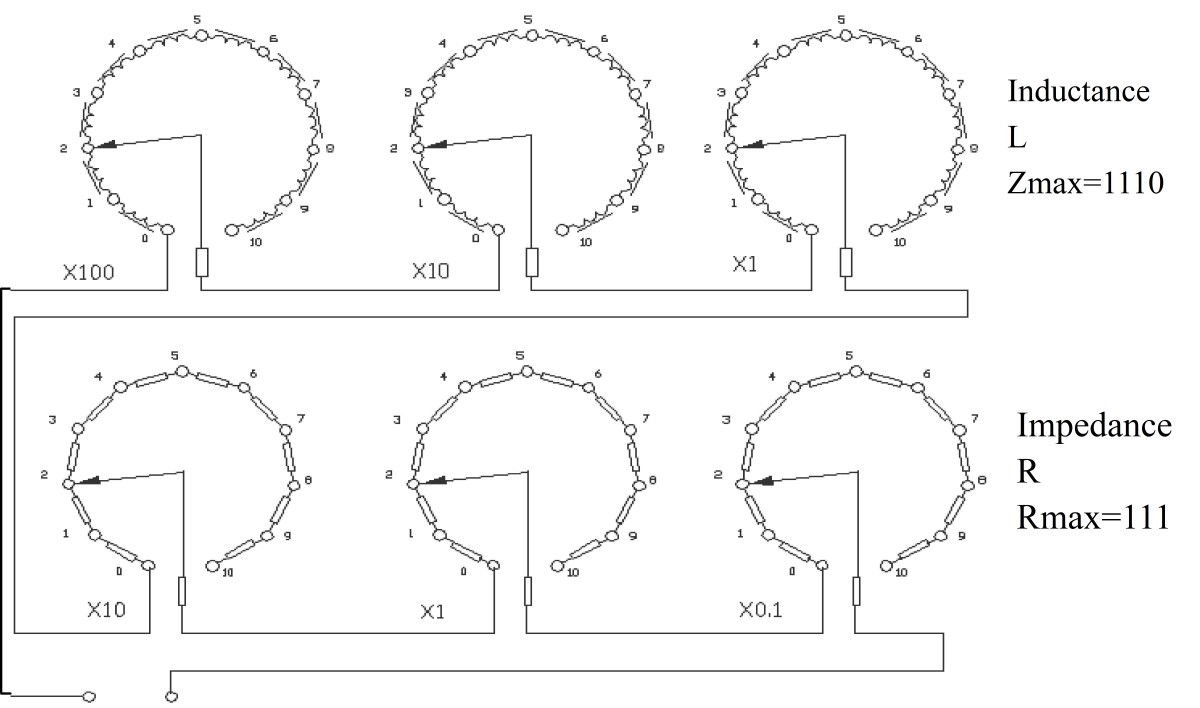
Рисунок 1: DYJ Схема передней панели
Примечание: DYJ-50HZ tests all 50-Hz fluorescent lamps, while the DYJ-60HZ can test both 50-Hz and 60-Hz fluorescent lamps.
3. Шаги, которые необходимо выполнить
Подключить DYJ, the test lamp, the electrical parameter meter, and the AC power source to the circuit as shown in Figure 2 (we recommend using the LISUN LSP-500VAR clean power supply for the AC power source, and either the Yokogawa WT310 or the LISUN LS2008R for the electrical parameter meter):
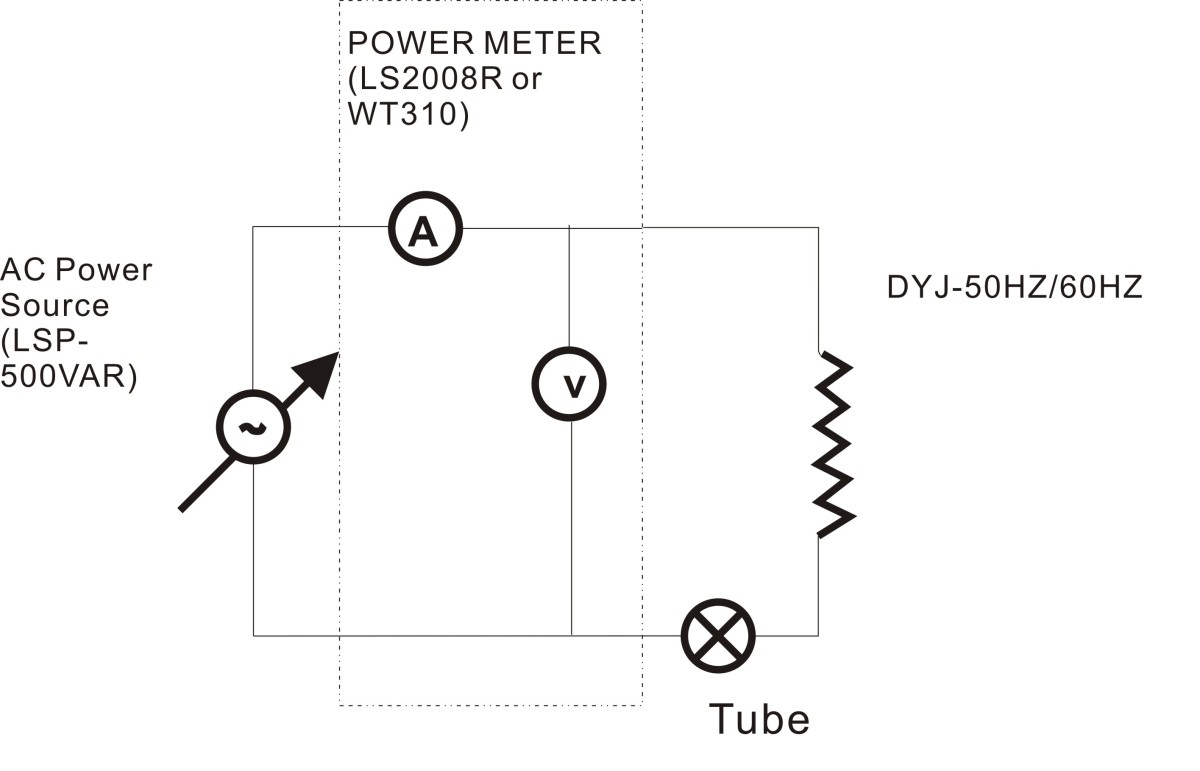
Figure 2: Wiring Diagram for the Test Tube
Locate the “Calibration Certificate” issued by LISUN Laboratory or a third-party laboratory (an additional fee applies for certificates issued by third-party laboratories). Depending on the type of lamp being tested, there are two possible scenarios:
Scenario 1: If the tube type and power of the lamp under test have corresponding Z and R values listed in the “Calibration Certificate” (Figure 3), adjust the corresponding Z and R values on the DYJ panel shown in Figure 2, then output the AC power. At this point, the lamp under test should illuminate, and the corresponding U/I/P/PF values can be measured using the electrical parameter table.
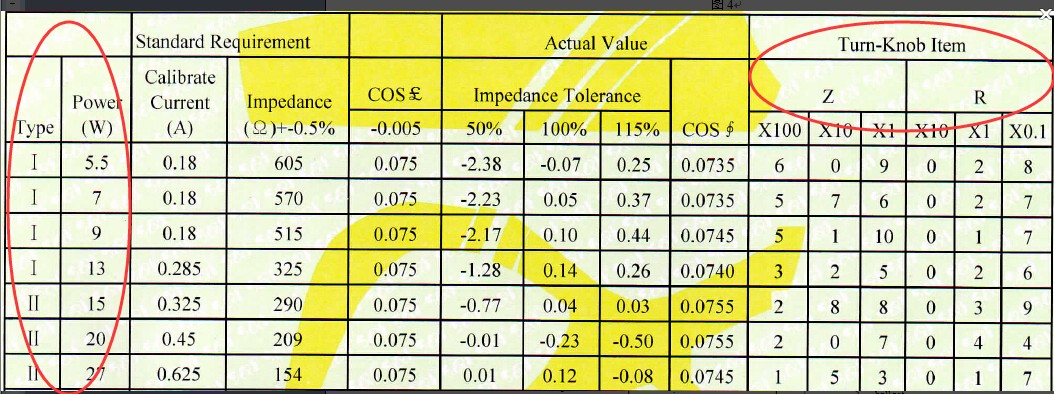
Figure 3: “Calibration Certificate” issued by a third-party laboratory
Сценарий 2: Если соответствующие значения Z и R для типа и мощности тестируемой лампы не найдены в сертификате калибровки, необходимо сначала определить значения Z и R самостоятельно, выполнив описанные ниже шаги, а затем продолжить тестирование, как описано в Сценарии 1.
Connect the calibration circuit as shown in Figure 4 (we recommend using the LISUN LSP-500VAR clean power supply for the AC power source and the Yokogawa WT310 electrical parameter meter).
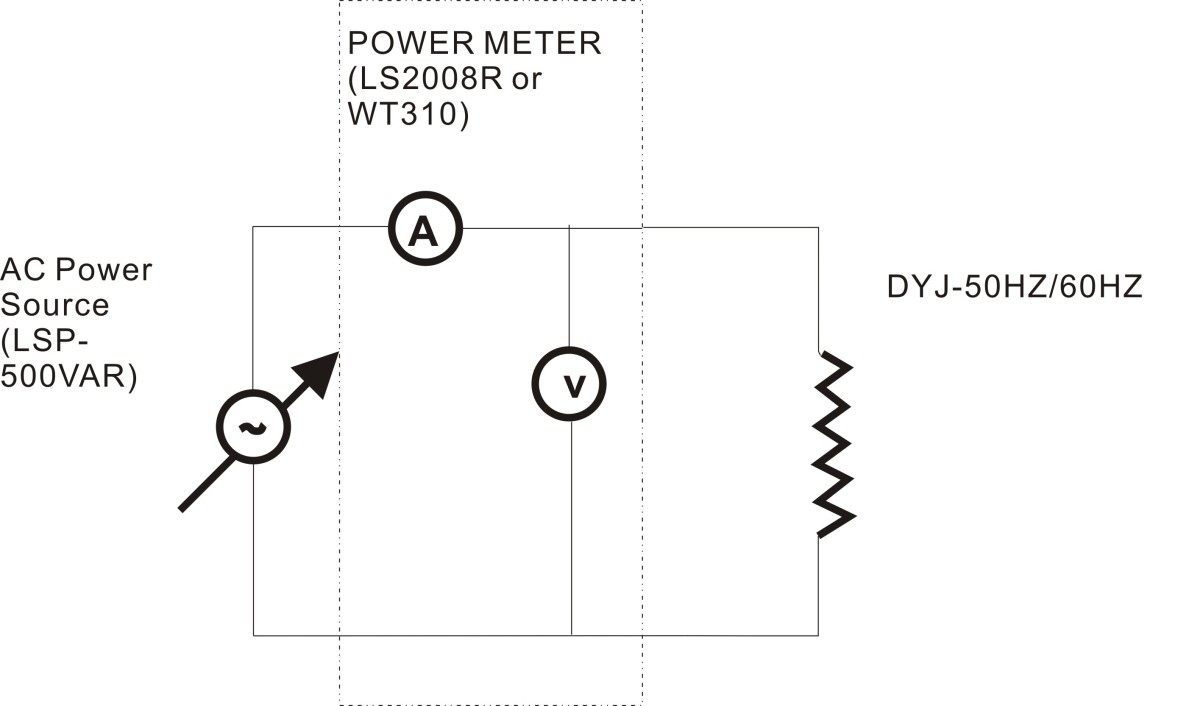
Рисунок 4: Схема подключения для самокалибровки значений Z и R.
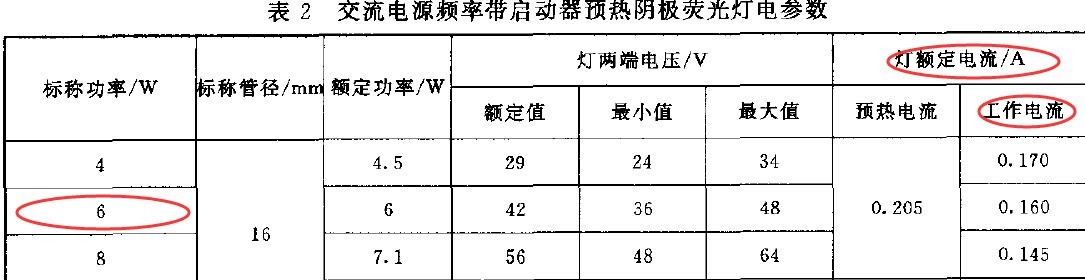
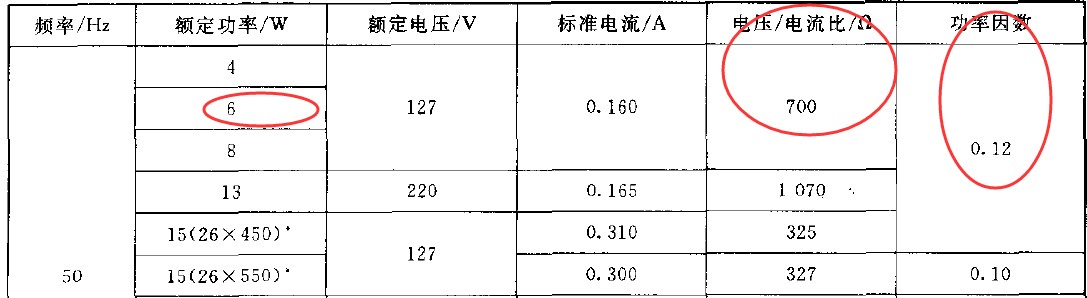
Based on the power rating and tube type of this lamp, refer to the IEC international standard(see Example 1), the GB Chinese standard (see Example 1), or the ANSI American standard (see Example 2), locate the corresponding rated ballast current (or rated lamp current), ballast impedance, frequency, and rated ballast power factor.
Отрегулируйте значение Z на DYJ panel so that Z equals the ballast impedance; adjust the R setting on the DYJ panel so that R equals 0.
Calculate the input voltage as the rated current multiplied by the resistance, and adjust the voltage and frequency corresponding to the output of the LSP-500VAR AC power supply.
Fine-tune the Z setting on the DYJ panel so that the current reading on the WT310 electrical parameter meter is close to the rated ballast current specified in the standard (increasing Z reduces the current value).
Adjust the R tap on the DYJ panel so that the power factor of the WT310 electrical parameter meter approaches the rated power factor (start by adjusting the x0.1 and x1 settings on the R tap; increasing the R value increases the rated ballast power factor).
Вернуться в DYJ отрегулируйте положение X1 в панели и по оси Z так, чтобы показания электрического параметрического измерителя WT310 были как можно ближе к номинальному току, указанному в стандарте.
Запишите значения Z и R на DYJ В данный момент панель предназначена для следующего испытания этой ламповой трубки.
How to find the corresponding rated ballast current (or rated lamp current), ballast impedance, frequency, and rated ballast power factor in IEC international standards, GB Chinese standards, or ANSI C78.81 U. S. standards:
Example 1: IEC International Standards (GB Chinese Standards)
As shown in the figure below, take a 50 Hz, 6 W fluorescent tube as an example. According to the standard, the rated current of the tube is I = 0.160 A, the ballast impedance is 700 Ω, the frequency is 50 Hz, and the power factor is 0.12.
Example 2: ANSI C78.81 U. S. Standard
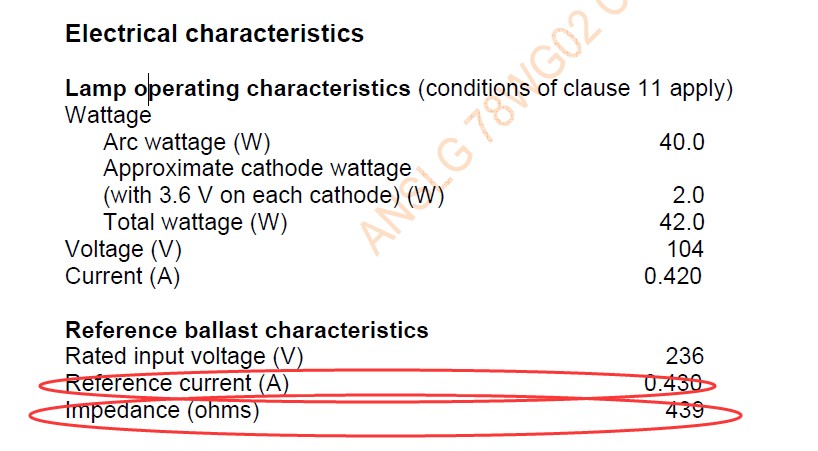
В качестве примера рассмотрим люминесцентную лампу T10 мощностью 40 Вт. В стандарте указаны следующие данные: номинальный ток балласта составляет 0.430 А, его импеданс — 439 Ом, а коэффициент мощности — указан. Калибровку следует проводить в соответствии с описанной выше процедурой.
4. Важные примечания
The two terminals on the bottom of the instrument serve the same function as the two terminals on the panel.
Когда DYJ связан с LISUNАвтора LPCE-1 system cabinet and the lamp tube is placed inside the Integrating Sphere, the switch on the CASE-19IN cabinet should be set to the “TUBE” position.
DYJ-60HZ instrument panel is equipped with three terminals. When testing the parameters of 220V, 50Hz FL6W and CFL9W lamps, use terminals 1 and 3; when testing the parameters of other lamps, use terminals 1 and 2.
Решение для тестирования светодиодных светильников и драйверов питания светодиодов.
Система гониофотометра: LSG-2000LSG-1800B или LSG-1600B
Система для тестирования с использованием спектрорадиометра и интегрирующей сферы: LPCE-2
Компания LED Life поддерживает систему тестирования в соответствии с LM-80: LEDLM-80PL
Испытание на водонепроницаемость по стандартам IPX5 и IPX6: JL-56
Пылезащитная испытательная машина для испытаний по стандартам IP5X и IP6X: SC-015
Тестеры драйверов питания светодиодов: WT2080 (для лаборатории) и ATE-2 (для производственной линии)
Тестер электробезопасности: LS9934
Решение для проверки КЛЛ и электронных балластов
Гониофотометрическая система: LSG-1800B или LSG-1600B
Система тестирования с использованием интегрирующей сферы и спектрофотометра: LPCE-1
Регулируемый эталонный балласт: DYJ-50 Гц, HCS-105A и DYJ-HID
Тестер электрических балластов: WT5000 (для лаборатории) и ATE-1 (для производственной линии)
Цифровой торсионный измеритель и многоканальный тестер ресурса: CH338 и CH316
Тестер электробезопасности: LS9922I, ZRS-3H, ZY-3
Решения для тестирования электромагнитной совместимости (ЭМС) и электромагнитной совместимости (ЭМИ) люминесцентных и светодиодных светильников.
Система для проверки электромагнитной совместимости: KH3962 или KH3961
Симулятор электростатического разряда: ESD61000-2
Измерение иммунитета к EFT: EFT61000-4
Генератор импульсов: SG61000-5
Генератор провалов и прерываний напряжения: CSS61000-11
Генератор кольцевых волн: RWG61000-12

www. Lisungroup.com
Поданные патенты
Все права защищены Lisun В группе
Может быть изменено без уведомления